
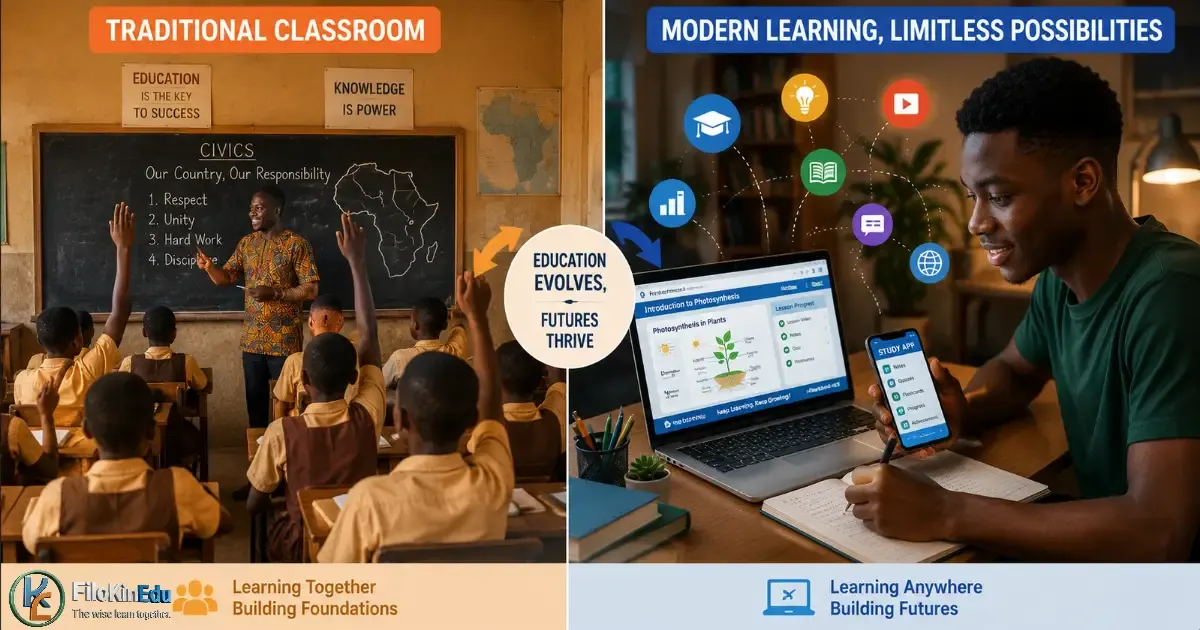
🏫 Online Learning vs Traditional Classroom: Which Is Better for African Students?
Picture this: You’re sitting in a crowded classroom, trying to hear the teacher over the noise. Now picture this: You’re at home, pausing a video lesson to re-watch a difficult math problem, with your favorite snack nearby.
Education has changed dramatically. Thanks to the internet and smartphones, students can now attend lessons, watch tutorials, read digital textbooks, and submit assignments without ever stepping foot in a physical school building.
Yet, the traditional classroom remains the backbone of education across Africa and the world.
This raises a question many students, parents, and teachers are asking: Is online learning actually better than traditional classroom learning?
The truth is, it’s not a simple "either/or" choice. Both approaches have unique strengths and real-world challenges. The "best" option depends entirely on the student, the subject, and the environment they are learning in.
Let’s break down the realities of both to help you find what works best for you.
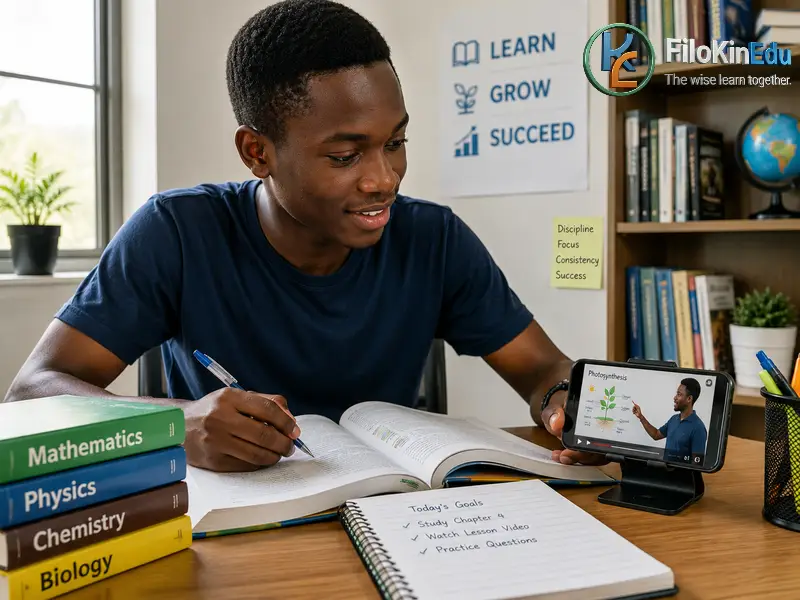
💻 What Exactly Is Online Learning?
Online learning is education delivered through the internet using digital devices like smartphones, tablets, or computers.
Instead of sitting in a physical room, students might access:
- Recorded video lessons
- Live virtual classes (via Zoom, WhatsApp, etc.)
- Digital textbooks and PDF notes
- Interactive quizzes and discussion forums
- Learning management systems (like FiloKin Edu's Learning Hub)
The biggest draw? You can learn from almost anywhere, as long as you have a device and a connection.
🏫 What Is Traditional Classroom Learning?
This is the model we all know. Students and teachers gather in the same physical location at a set time.
The teacher explains concepts, students ask questions in real-time, participate in group work, and get immediate feedback. This includes primary schools, secondary schools, colleges, and universities.
It has been the standard for generations for a reason: it works.
✅ The Real Advantages of Online Learning
1. Ultimate Flexibility
Online learning bends to your schedule, not the other way around. If you have chores, a part-time job, or family responsibilities, you can study in the evening or early morning. Recorded lessons also mean you can pause, rewind, and re-watch a complex Physics explanation as many times as you need.
2. Learn From Anywhere
No more long, costly commutes. Whether you are at home, in a community library, or at a relative's house, your classroom is wherever your device is. This is a game-changer for students living far from educational institutions.
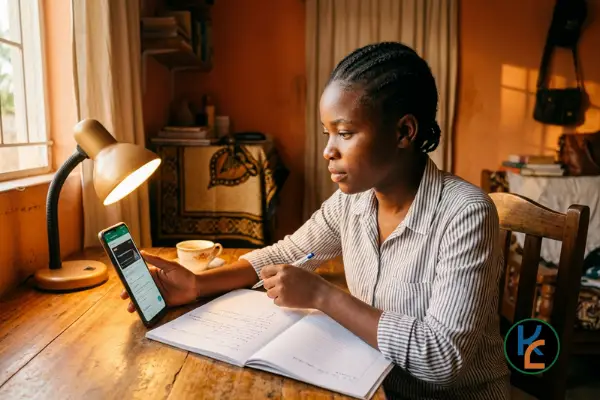
3. A World of Resources at Your Fingertips
The internet doesn't sleep, and neither does its library. You can supplement your school lessons with YouTube tutorials, free PDF past papers, interactive science simulations, and global online courses. Learning doesn't have to stop when the school bell rings.
4. Learn at Your Own Pace
In a physical class, the teacher has to move at the pace of the "average" student. Online, you control the speed. Fast learner? Skip ahead. Need more time? Take it.
⚠️ The Real Challenges of Online Learning
1. It Demands Serious Self-Discipline
Flexibility is a double-edged sword. Without a teacher physically watching over you, it’s incredibly easy to procrastinate, get distracted by social media, or skip a study session. Successful online learners need strong time-management skills.
2. The Digital Divide is Real
Let’s be honest about the African context: online learning depends entirely on technology. Expensive mobile data, poor network coverage, load-shedding (power outages), and a lack of suitable devices can quickly turn a "flexible" learning experience into a frustrating one.
3. Limited Face-to-Face Interaction
While WhatsApp groups and video calls help, they don't fully replace the energy of a physical classroom. You miss out on reading a teacher's body language or having a spontaneous, clarifying conversation with a classmate after the bell rings.
4. Some Subjects Just Need Hands-On Practice
You can watch a video about a Chemistry experiment, but you can't replicate the smell, the safety protocols, or the hands-on skill of actually doing it in a lab. Practical subjects often require physical presence.
✅ The Strengths of Traditional Classroom Learning
1. Immediate, Human Interaction
If you look confused, a good teacher will notice and re-explain the concept on the spot. You can raise your hand and get an immediate answer. That real-time feedback loop is invaluable.
2. Social Development
School isn't just about academics; it’s about learning to be human. Classrooms teach you how to work in teams, resolve conflicts, make friends, and communicate effectively. These soft skills are critical for future careers.
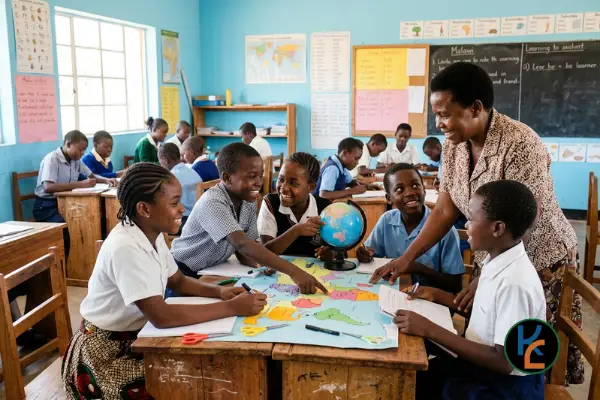
3. Built-In Structure
For students who struggle with self-motivation, the fixed timetable, uniform, and physical environment of a school provide the necessary structure to stay focused and get work done.
4. Access to Physical Resources
Libraries, science laboratories, sports fields, and computer labs are resources that a smartphone simply cannot replicate.
⚖️ Head-to-Head Comparison
| Feature | Online Learning | Traditional Classroom |
|---|---|---|
| Flexibility | High | Low (Fixed schedule) |
| Face-to-Face Interaction | Limited / Virtual | High / Direct |
| Self-Discipline Required | Very High | Moderate (Teacher provides structure) |
| Internet Dependency | Critical | Minimal |
| Practical/Hands-on | Limited | Excellent |
🌍 The African Context: Why It's Complicated
For learners in Africa, the debate isn't just about learning styles; it’s about access.
Factors like the cost of mobile data, electricity reliability, distance to the nearest school, and household income play massive roles. A digital education strategy that assumes every student has a high-speed Wi-Fi connection and a personal laptop is setting many learners up for failure.
Technology has incredible potential to bridge educational gaps, but it must be implemented with a deep understanding of local realities.
💡 The Winning Strategy: Blended Learning
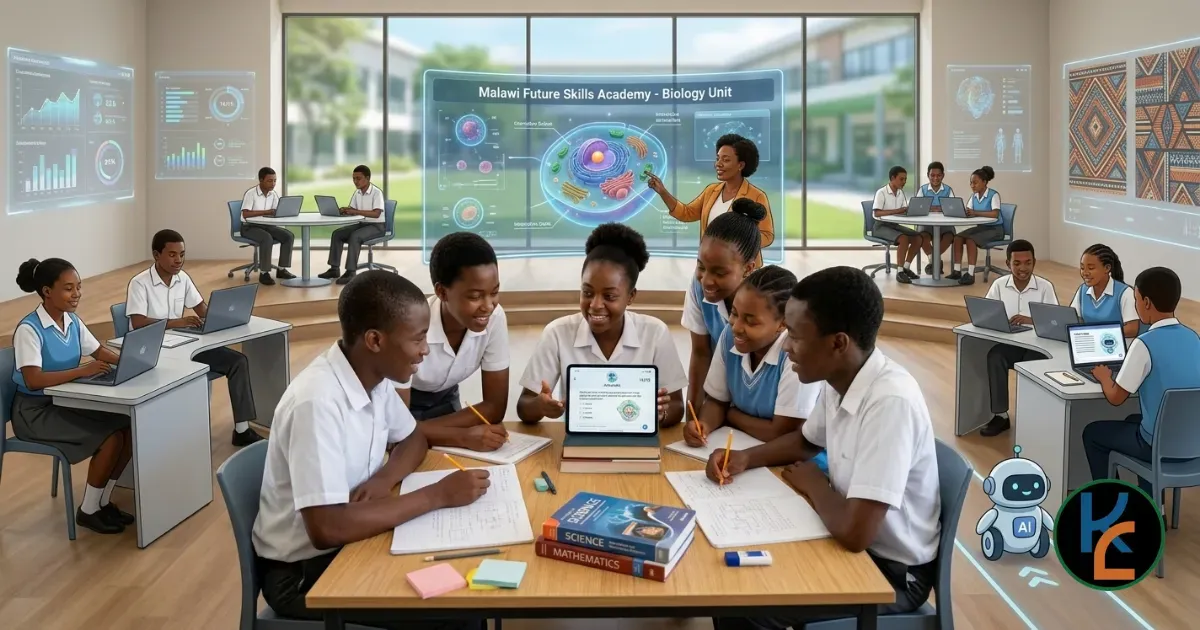
Instead of treating online and traditional learning as rivals, the smartest students and schools are combining them. This is called Blended Learning.
Here’s what a blended approach looks like in practice:
- Attend your regular physical classroom lessons to get the core instruction and ask questions.
- Use the internet to research topics you didn't fully grasp in class.
- Watch a 10-minute YouTube video to visualize a difficult Biology concept.
- Download free revision notes and past papers from platforms like FiloKin Edu.
- Take online quizzes to test your knowledge before the real exam.
This gives you the structure and social benefits of the classroom, combined with the flexibility and endless resources of the internet.
🎯 Final Verdict: Which Is Better?
There is no universal "best" method.
The right approach depends on the student, the subject, and the environment. A self-motivated student with good internet might thrive online. A student who needs hands-on guidance and peer interaction will likely do better in a physical classroom.
For most learners, the answer is a combination of both. The future of education isn't about replacing teachers with screens; it's about empowering teachers and students with the best tools available.
Education is not limited to four walls. A classroom provides structure and mentorship. Online resources provide flexibility and endless information. When you use them together, you build a richer, more powerful learning experience.
📚 Take Control of Your Learning Journey
Whether you are studying in a physical classroom or learning from home, having the right resources makes all the difference.
🎓 Join Our Learning Hub
Subscribe to access structured courses, tutorials, and exclusive educational content designed for African students.
📥 Free PDF Resources
Download free past papers, study guides, and revision materials to supplement your classroom learning.
FiloKin Edu — The wise learn together.

Sign in securely with Google to join the discussion.