
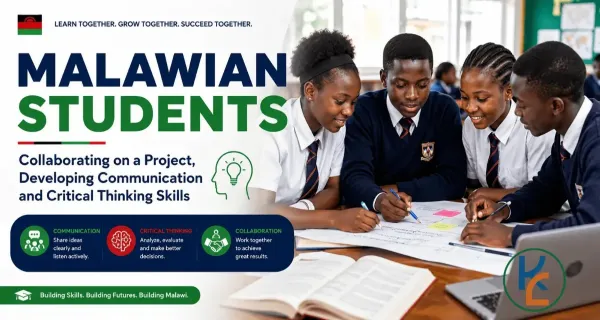
🎯 Understanding the 8 Core Competencies: What Every Malawian Student Needs to Succeed
Malawi's new Curriculum and Assessment Framework (July 2025) marks a historic shift: from memorising facts for exams to mastering real-world skills for life. At the heart of this change are 8 Core Competencies — the essential abilities every learner must develop to thrive in school, work, and society.
Whether you're a student preparing for MSCE, a parent supporting your child's learning, or a teacher guiding the next generation, understanding these competencies is your roadmap to success in the new education system.

Skills over scores: The foundation of Malawi's education future.
📚 What Are the 8 Core Competencies?
These aren't abstract concepts. They're practical, measurable skills that prepare learners for the 21st century:
- Communication & Collaboration — Express ideas clearly, listen actively, work effectively in teams
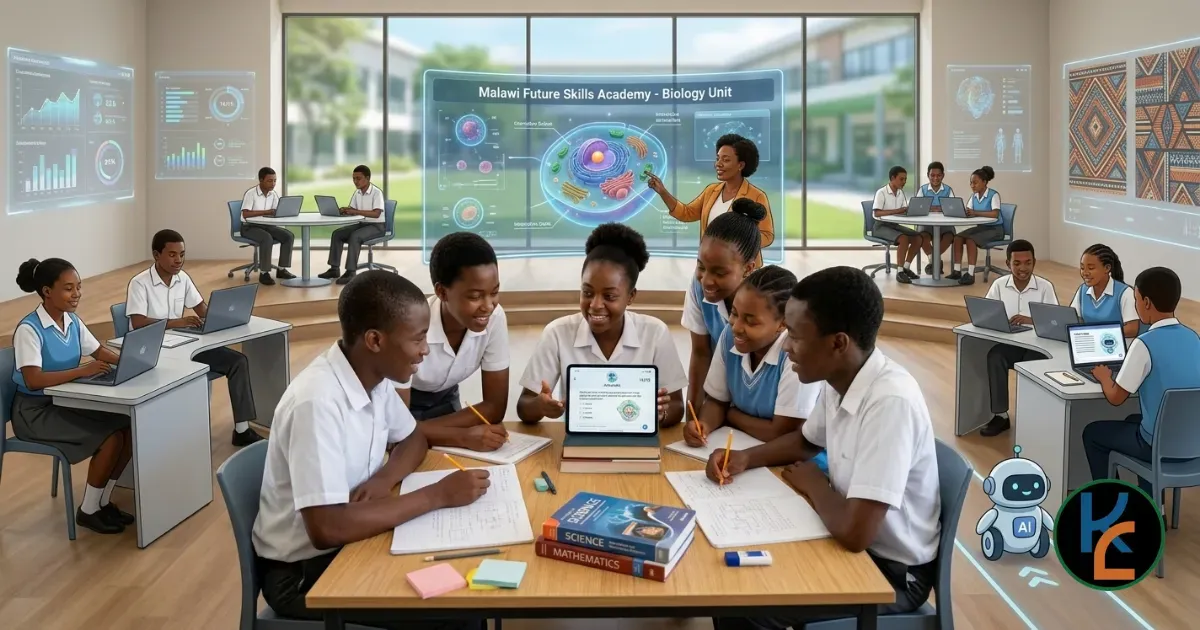
- Digital & Technological Literacy — Use technology responsibly, evaluate digital content, solve problems with digital tools
- Creativity & Innovation — Generate original ideas and apply them to real-world challenges
- Critical Thinking & Problem Solving — Analyse information, question assumptions, make reasoned decisions
- Citizenship — Understand rights/responsibilities, respect diversity, participate in community development
- Wealth Creation & Entrepreneurship — Manage resources, identify opportunities, start small ventures
- Learning to Learn (Meta-Learning) — Set goals, reflect on progress, adapt to new challenges
- Adaptability & Resilience — Adjust to change, recover from setbacks, stay motivated
Why these 8? They align with Malawi 2063's vision of an "inclusively wealthy and self-reliant" nation. Students who master these won't just pass exams — they'll lead businesses, innovate solutions, and strengthen communities.
🛠️ How to Build Each Competency (Practical Steps)
1. Communication & Collaboration
- Join or start a study group — practice explaining concepts to peers
- Participate in class debates or school clubs
- Use WhatsApp or Telegram to collaborate on projects (responsibly!)
- Practice active listening: repeat back what others say to confirm understanding
2. Digital & Technological Literacy
- Learn basic computer skills: typing, file management, internet safety
- Use free tools like Google Docs for notes and collaboration
- Fact-check information before sharing — ask: "Who posted this? Why?"
- Explore free coding platforms like Scratch or Code.org
3. Creativity & Innovation
- Keep an "idea journal" — jot down solutions to everyday problems
- Repurpose old materials for school projects (e.g., cardboard for models)
- Enter school innovation fairs or business plan competitions
- Ask "What if?" and "How else?" when solving problems
4. Critical Thinking & Problem Solving
- When studying, don't just memorise — ask "Why is this true?"
- Break big problems into smaller steps: "What do I know? What do I need?"
- Use past papers to analyse question patterns, not just answers
- Discuss different viewpoints on current events with family or friends
5. Citizenship
- Volunteer for school or community clean-ups
- Learn about Malawi's Constitution and your rights as a young person
- Respect diverse opinions — even when you disagree
- Participate in student councils or peer mentoring programmes
6. Wealth Creation & Entrepreneurship
- Start small: sell snacks, offer tutoring, or provide phone charging services
- Track income/expenses in a simple notebook or app
- Study local successful entrepreneurs — what skills did they use?
- Save a portion of earnings — even small amounts build financial discipline
7. Learning to Learn (Meta-Learning)
- Set weekly study goals: "This week, I'll master quadratic equations"
- Use active recall: close the book and write what you remember
- Reflect every Sunday: "What worked? What needs improvement?"
- Identify your learning style: Do you learn best by seeing, hearing, or doing?
8. Adaptability & Resilience
- When you fail a test, write down 3 lessons learned
- Practice stress management: deep breathing, exercise, talking to mentors
- Embrace feedback — see it as data, not criticism
- Celebrate small wins to stay motivated during tough times
📊 How These Competencies Are Assessed
Under the new system, 60% of your grade comes from continuous assessment (projects, presentations, portfolios, classwork) and 40% from final exams. This means:
- ✅ Your daily effort, teamwork, and problem-solving now count toward your final score
- ✅ Teachers will track your growth across all 8 competencies, not just exam performance
- ✅ Students who build these skills consistently will outperform those who only cram
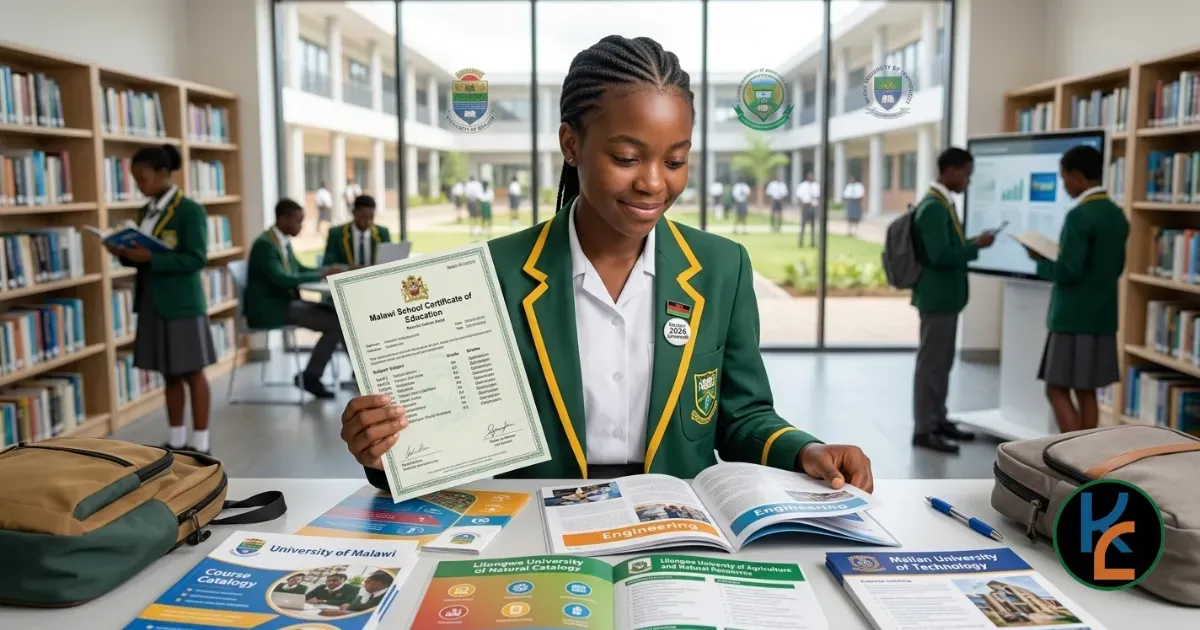
Pro tip: Keep a simple portfolio — a folder with your best projects, presentations, and reflections. This becomes powerful evidence of your competencies for teachers, universities, or employers.
🎯 Your 30-Day Competency Action Plan
- Week 1: Pick 2 competencies to focus on this month. Write down one small action for each.
- Week 2: Join or start a study group that practices collaboration & critical thinking.
- Week 3: Complete 1 small project (digital, creative, or community-based) that builds a third competency.
- Week 4: Reflect: What improved? What needs more practice? Set next month's goals.
Remember: Competencies aren't built in a day. They're built through consistent, intentional practice — just like studying for exams.
📂 Free Resources to Build Core Competencies
Whichever competencies you're developing, our free resources can help:
📘 Mathematics Past Papers — Practice problem-solving & critical thinking
📗 English Revision Guides — Strengthen communication & comprehension
📁 Browse All Secondary Resources — 250+ free past papers, notes & pamphlets for all subjects
📥 Free Resources to Build Future-Ready Skills
Past papers, revision notes, and study planners to keep you ahead.
Access Free Secondary Resources
✅ 100% free • No signup required • Works offline
Written for every Malawian student ready to turn skills into success.
— Kizito Chikuni, Educator & Developer

Sign in securely with Google to join the discussion.